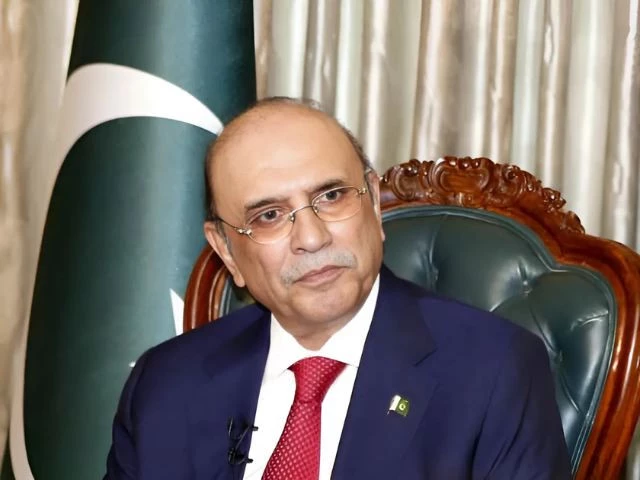


ISLAMABAD, Feb 3: President Asif Ali Zardari has urged the nation to embrace a comprehensive approach involving all sectors of society to combat cancer. Addressing the issue on World Cancer Day, he emphasized that cancer is not only a significant health challenge but a broader societal issue requiring coordinated action across various sectors.
In his message, President Zardari highlighted the critical roles played by the private sector, civil society, the media, and community-based organizations in raising awareness and promoting healthy behaviors. He stressed that prevention and early detection must be central to the national response, especially by addressing modifiable risk factors such as tobacco use, poor diets, and lack of physical activity.
The president remarked, “Today, we unite as a nation within the global community to reaffirm our collective commitment to the fight against cancer. This day not only serves as a reminder of the serious challenge posed by this disease but also as an opportunity to strengthen hope through unity, innovation, and sustained action.”
Cancer remains the second leading cause of death in Pakistan, with approximately 185 cases per 100,000 people annually. Factors such as rapid urbanization, lifestyle changes, and gaps in awareness have exacerbated this burden. President Zardari pointed out the need for urgent reinforcement of efforts to enhance cancer prevention and control.
He further noted that behind these statistics are families facing long journeys to hospitals, emotional stress from delayed diagnoses, and financial burdens from prolonged treatments, affecting livelihoods, education, and daily routines. Addressing cancer, therefore, means alleviating not only medical suffering but also the social and economic stress faced by many citizens.
The government, in collaboration with provincial authorities, healthcare institutions, and international partners, has initiated vital efforts to tackle this pressing public health concern. A comprehensive national cancer strategy is in development, particularly focusing on childhood cancer. Efforts are underway to reinforce healthcare infrastructure, assess cancer burdens, and devise national and provincial cancer control strategies. Additionally, through public-private partnerships, free treatment is being provided to selected cancer patients in federally administered areas.
The president stated that advancing cancer care involves strengthening research and data systems, which will facilitate meaningful research and collaboration. These collective efforts aim to mitigate the devastating impact of cancer on individuals and families.
He called on all citizens, healthcare professionals, civil society organizations, and the private sector to unite in this mission. “Together, we can ensure equitable access to timely diagnosis, effective treatment, and compassionate care for everyone, regardless of socioeconomic background,” he said.
President Zardari reaffirmed the government’s commitment to prioritizing cancer prevention and control, guided by equity, innovation, and determination. “United in purpose, we can bring hope and healing to those affected and honor the memory of those who have lost their lives to this disease,” he concluded.